Navigating a stack of roofing bids for your Collegeville home can feel overwhelming, especially when you’re trying to balance top-notch quality, fair pricing, and local requirements. Getting a clear picture when comparing quotes from Collegeville roofing contractors is your first, crucial step toward a roof replacement or repair that stands up to Pennsylvania’s weather, meets Collegeville’s building codes, and fits your budget. This guide will walk you through everything you need to consider when evaluating Collegeville roofing contractor quotes and services. We’ll dive into the details of the scope of work, material options, warranty coverage, clear pricing, contractor qualifications, and how they communicate. You’ll learn how local factors shape estimates, common pitfalls to avoid, and how different materials stack up. Plus, we’ll give you the essential questions to ask. Throughout this, you’ll see how Supreme Roofing PA’s commitment to straightforward pricing, certified workmanship warranties, and attentive project management makes your decision easier and leads to a smooth phone consultation.
When you compare roofing quotes, you’re essentially reviewing detailed proposals from several Collegeville roofing professionals to find the best combination of skilled workmanship, durable materials, and honest pricing. This process is your best defense for protecting your investment, as it highlights significant differences in what’s included, the costs, and the warranty terms. For instance, one contractor might propose a full tear-off and new underlayment, while another might suggest simply covering over the old shingles. This distinction dramatically impacts your roof’s longevity and overall value. By comparing these proposals, you get a solid understanding of fair market prices, avoid unexpected charges, and ensure your project meets all local permit requirements—essential steps before you commit to any roofing work.

Collegeville’s climate, with its roughly 50 freeze-thaw cycles each year, directly impacts the choice of materials and the complexity of installation. Contractors must factor in this weather stress, select appropriate underlayment grades, and schedule installations to avoid rain or snow. Changes in permit fees from the Borough of Collegeville and local waste disposal costs also play a role in the final estimate, so understanding these elements will help you compare quotes more effectively.
The Borough of Collegeville adheres to the Uniform Construction Code, which sets the standards for building construction and related activities. These codes are vital for ensuring that all roofing projects meet local regulations.
Reviewing multiple bids helps you spot differences in how tear-offs are handled, the quality of shingles proposed, and whether ventilation upgrades are included—all factors that directly affect how long your roof will last. If you notice a contractor has left out crucial elements like flashing in valleys or ridge vents, you can prevent future leaks and costly repairs. This careful review ensures your money is well-spent on a roof that performs as expected and is backed by a solid warranty.
Homeowners often skim over the details, assume all bids offer the same services, or focus only on the lowest price without considering the warranty’s scope. Overlooking a contractor’s credentials or failing to confirm their insurance can leave you exposed to liability. A thorough review process helps you avoid these pitfalls and make a well-informed decision.
A comprehensive scope of work lays out every step of your roofing project, from the initial removal to the final inspection, ensuring clarity and accountability. This description should detail the tear-off process, underlayment specifications, how flashing will be installed, ventilation improvements, material choices, site cleanup procedures, and project timelines. For example, specifying a two-layer tear-off and a six-inch ice-and-water shield underlayment ensures superior weather protection compared to basic installations. Detailed scopes prevent unexpected charges and set clear performance expectations for each contractor.
A thorough tear-off section will specify the number of existing layers to be removed, safety measures for working on different roof pitches, and how debris will be contained. Make sure the estimate includes plans for protecting your landscaping and details about how waste will be removed, so you don’t face unexpected costs.
Underlayment acts as the primary barrier against moisture, flashing seals the critical junctions where roof planes meet, and proper ventilation controls attic temperature and humidity. Together, these elements help prevent ice dams, mold growth, and damage to your roof deck, significantly extending the lifespan of your entire roof system.
Quotes should clearly state costs for dumpster rental, debris hauling, and the process for cleaning up your property. When these expenses are transparent, you can avoid surprise fees and ensure your home looks tidy once the project is finished.
A detailed quote should outline the projected start date, when the tear-off will be completed, material delivery schedules, installation phases, and the final inspection date. These milestones provide a clear picture of expected progress and help you monitor the contractor’s performance.

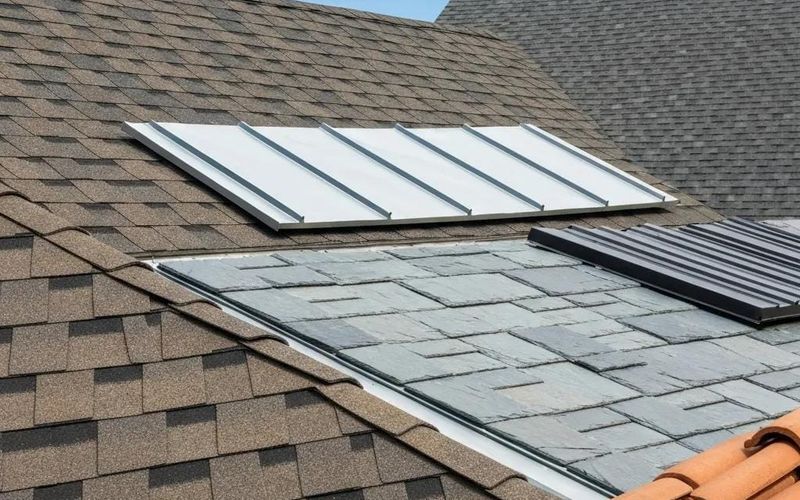
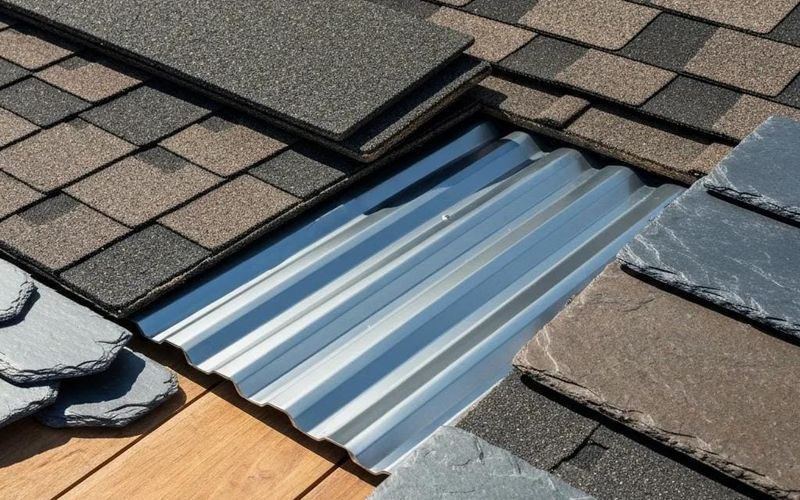
When evaluating roofing materials, consider factors like how long they’ll last, how well they resist weather, what maintenance they require, and their cost. Asphalt shingles are a budget-friendly option with a lifespan of 20–30 years, while metal panels can last 40–60 years and offer better energy efficiency. Slate and tile provide exceptional longevity but require stronger roof structures. Comparing materials consistently helps you choose options that suit Collegeville’s climate and your long-term priorities, maximizing your return on investment over the years.
Material lifespans range from 20 years for basic shingles to over a century for natural slate.
The lifespan of a roof depends heavily on the material used. Asphalt shingles typically last 20-30 years, while premium materials like slate and tile can endure for over 100 years. Local climate conditions and consistent maintenance also play a significant role in how long a roof will last.
Asphalt shingles are generally more affordable upfront and come in many colors, but they may need replacing sooner. Metal roofing is highly resistant to wind and hail, reflects solar heat, and requires very little maintenance, although the initial cost is higher.
Slate’s dense composition handles freeze-thaw cycles and temperature fluctuations exceptionally well. Clay or concrete tiles offer fire resistance and durability but add significant weight to the structure. Composite materials can mimic the look and performance of these options while being lighter and more cost-effective.
Material lifespans vary from 20 years for entry-level shingles to over a century for natural slate. Durability ratings consider resistance to hail impact, wind uplift, and UV exposure—all critical factors for Collegeville’s environment.
Reflective “cool roof” coatings, metal roofing’s heat-reflecting properties, and sustainably sourced materials can lower your home’s heating and cooling costs, reduce utility bills, and appeal to environmentally conscious homeowners.
Roofing warranties act as your safety net, promising coverage for defects in materials or installation workmanship. A manufacturer’s warranty guarantees the performance of the shingles themselves, while a workmanship warranty covers any installation errors. Understanding these differences and their durations is key to avoiding costly gaps in protection, ensuring your roof performs well over time, and choosing a contractor who stands behind their work—all vital for a lasting investment.
Roofing warranties are essential for protecting homeowners from potential issues with their roofs, covering both material defects and installation errors. Manufacturer warranties typically cover material defects for 20–50 years, while workmanship warranties from contractors cover installation quality for 5–10 years. Understanding the differences and durations of these warranties is crucial for avoiding costly gaps in protection.
Manufacturer warranties typically cover issues like shingle fading, granule loss, or material breakdown. Workmanship warranties, on the other hand, address installation mistakes such as improper flashing, incorrect nailing patterns, or sealant failures.
Aim for manufacturer coverage of at least 25 years and workmanship guarantees of 5–10 years. Warranties that can be transferred to a new owner can also add value to your home if you decide to sell.
Improper maintenance, unauthorized modifications to the roof, or failing to address ventilation problems can void your warranty. Always follow the manufacturer’s maintenance guidelines and avoid making DIY changes to ensure your coverage remains valid.
Always request written warranty documents, confirm that the manufacturer will register the warranty in your name, and keep detailed records of all maintenance performed on your roof to support any future claims.
Transparent pricing means breaking down all project expenses into clear categories like materials, labor, permits, waste disposal, and potential contingencies. An itemized quote eliminates guesswork and highlights any potential add-on charges, such as unexpected repairs or necessary code upgrades. By comparing the cost components of different bids, you can easily spot discrepancies—whether in labor rates or permit allowances—and make a confident decision without unwelcome surprises.
An itemized quote should list each type of material, the quantities needed, estimated labor hours, all permit fees, disposal costs, and any charges for subcontractors. This level of detail allows for a direct comparison of costs between contractors.
Permits obtained through Collegeville’s building department, dumpster rental fees, and the discovery of issues like rotten sheathing or mold remediation can add to the total project cost. Quotes that include a contingency allowance for these potential items can help prevent budget overruns.
Options like home equity loans, specialized roofing financing programs, and low-interest home improvement loans can help spread the cost of your roof replacement over time. Comparing these options will help you find the most budget-friendly solution.
Be cautious of bids that seem unusually low, quotes with vague descriptions of the work, requests for large upfront deposits (typically over 30%), or contract clauses that shift unexpected costs back to you, the homeowner.
Checking a contractor’s credentials ensures they are operating legally and safely. Verify their state licensing, general liability insurance, and workers’ compensation coverage. Looking into local references and online customer reviews provides valuable insight into their quality of work and reliability. Contractors who are members of reputable industry organizations or hold manufacturer certifications demonstrate a commitment to professional standards.
Proper licensing confirms that a roofer complies with Pennsylvania’s regulations for roofing contractors. Insurance protects you from liability in case of accidents on your property or damage to your home during the project.
Ask for contact information for recent projects completed in Montgomery or Bucks Counties, visit some of their finished job sites if possible, and check online review platforms for overall customer satisfaction and how they handle any complaints.
Look for affiliations with organizations like the National Roofing Contractors Association, manufacturer certifications (such as CertainTeed SELECT ShingleMaster), and endorsements from local business groups like the Chamber of Commerce.
A Collegeville roofer who understands regional architectural styles, common roof pitches, and local weather patterns can offer the best advice on materials and installation methods for your specific home.
Clear communication and organized project management are key to ensuring your roofing job proceeds smoothly, without delays or misunderstandings. Established reporting procedures, regular updates on progress, and a dedicated project coordinator help maintain accountability. Contractors who utilize digital scheduling tools and provide proactive notifications keep homeowners informed and feeling confident throughout the entire process.
Inquire about a detailed project schedule that outlines each major phase, estimated completion dates for each, and the preferred methods for receiving day-to-day updates.
A contractor who responds to your calls or emails promptly—typically within one business day—demonstrates professionalism and respect for your time and concerns.
Choose contractors who conduct pre-installation and post-installation walkthroughs with you, take progress photos, and ensure the worksite is cleaned up thoroughly each evening.
Contact Supreme Roofing PA by phone to arrange a free, no-obligation on-site estimate. One of their licensed estimators will assess your roof, explain the key factors involved, and provide a clear, itemized proposal.
When you’re reviewing roofing bids, asking the right questions can uncover crucial details and significantly reduce your risk. Ask about how estimates compare, what essential elements should be in the contract, how to verify a contractor’s reliability, the specifics of warranties, and how local codes apply. A systematic question-and-answer session will help you select a partner who meets all technical requirements, offers fair pricing, and stands firmly behind their work.
Create a side-by-side comparison chart that lists all scope items, material specifications, warranty terms, and total costs from each bid. This structured approach makes it easy to see the real differences between proposals.
A comprehensive contract should clearly state the names of all parties involved, a detailed description of the work and materials, the payment schedule, warranty information, and clauses covering dispute resolution and cancellation policies.
Be wary of high-pressure sales tactics, contractors who aren’t licensed, those without a physical business address, demands for full payment upfront, or any refusal to provide references.
Clarify the duration of all warranties, what actions might void the coverage, any required maintenance you need to perform, and the exact process for filing a claim if an issue arises.
Ask if the estimates include Collegeville permit fees and any code-mandated upgrades, such as specific types of underlayment or wind-resistance ratings for shingles, to ensure your project will pass inspection.
By thoroughly examining scope details, material quality, warranty provisions, transparent pricing, contractor credentials, and communication standards, you create a robust framework for making informed decisions. This empowers Collegeville homeowners to protect their investment and secure a roof that can withstand Pennsylvania’s demanding climate. Supreme Roofing PA’s commitment to clear estimates, certified workmanship, and proactive project updates reflects the local expertise you need. When you’re ready to compare quotes and discuss your roofing project, schedule a phone consultation to experience a straightforward, customer-focused approach to roof replacement and repair.