Roofing Material Choices: Finding the Perfect Fit for Your Home
Selecting the ideal roofing material is crucial for safeguarding your home, managing energy expenses, and boosting its visual appeal—especially given the diverse climate of Eastern Pennsylvania, with its sweltering summers and biting winters. Homeowners need to carefully consider factors like resilience, expense, energy efficiency, look, upkeep, and local building regulations to make a well-informed choice. This guide dives into each of these aspects, compares popular materials suited for Montgomery, Bucks, Delaware, and Chester counties, and helps you pinpoint the best option for your property. You’ll gain insights into:
Essential decision-making factors (strength, budget, energy savings, appearance, care, rules)
Detailed profiles of materials and how they perform regionally (asphalt, metal, slate, rubber, composite, wood)
Side-by-side comparisons of lifespan, cost, and efficiency
The advantages and disadvantages of each selection
A straightforward guide to making your choice and how Supreme Roofing PA can assist you
Answers to common homeowner queries and a look at upcoming roofing trends
What Key Elements Should You Weigh When Picking Roofing Materials?
Choosing a roofing material is about striking a balance between how well it performs, what it costs, and how it looks. Durability and how long it lasts dictate how often you’ll need to replace it, ensuring long-term protection. Cost and your budget influence both the initial purchase and the installation expenses. Energy efficiency directly impacts your heating and cooling bills. Aesthetics and curb appeal define your home’s exterior character. The upkeep required affects ongoing care and associated costs. Lastly, ensuring compliance with local building codes and homeowner association rules is vital for a smooth project approval process in Eastern PA.
How Do Strength and Longevity Influence Your Roofing Decision?
Durability refers to how well your roof stands up to wind, hail, sun exposure, and temperature fluctuations, while lifespan estimates how many years it will serve you before needing replacement. Roofing materials that offer superior impact resistance—like metal and slate—often provide protection for decades longer than asphalt shingles. A longer lifespan translates to lower overall expenses and fewer disruptions from replacements. Understanding these aspects empowers homeowners to invest in roofs that can withstand Pennsylvania’s challenging weather and maintain structural integrity for generations.
What’s the Impact of Cost and Budget on Your Roofing Material Choice?
Budget considerations encompass not just the price of the materials and labor but also potential repair costs over the years. Asphalt shingles typically range from $3.50 to $5.50 per square foot when installed, offering an accessible starting point. Metal roofing generally costs between $8 and $14 per square foot but offers significantly greater longevity. Slate can climb to over $15 per square foot due to the specialized installation it requires. By factoring in the total cost of ownership—including replacement cycles and maintenance—you can truly gauge the value of each option within your financial plan.
How Crucial Is Energy Efficiency in Roofing Materials?
Energy-efficient roofing helps minimize heat transfer, leading to lower utility bills and a more comfortable interior environment. Reflective metal panels and specialized cool-roof coatings bounce solar radiation away, potentially reducing cooling demands by as much as 25%. Ensuring proper insulation beneath any roofing material further enhances its performance. In Pennsylvania’s warm, humid summers, opting for materials with high solar reflectance and thermal emittance ratings can result in substantial savings and a more pleasant living space.
Energy Efficiency of Roofing Materials – Explained
This study explores the energy-saving capabilities of various roofing materials, focusing on their ability to reflect sunlight and reduce heat absorption. The findings indicate that materials with high solar reflectance and thermal emittance ratings can significantly cut down on cooling expenses and improve indoor comfort, particularly in climates with hot summers.
Jones, B., Energy Efficiency Journal,
This citation reinforces the article’s points regarding the energy-saving benefits of different roofing materials and their positive effect on reducing energy costs and enhancing indoor comfort.
What Role Does Appearance and Curb Appeal Play in Your Decision?
Your roof significantly contributes to your home’s exterior look, accounting for up to 40% of its visual impact. Architectural asphalt shingles are available in a wide array of colors and multi-tonal designs that can mimic the look of slate or wood shakes. Standing seam metal roofs offer clean, modern lines, while natural slate and cedar shakes provide a classic, enduring elegance. Choosing a material that harmonizes with local architectural styles and your personal taste not only enhances your home’s appeal but can also boost its resale value and contribute to neighborhood aesthetics.
How Do Maintenance Needs Affect Material Suitability?
The level of upkeep required varies considerably: asphalt shingles may need occasional checks for any cracked or curling pieces; metal roofs generally require very little maintenance, though surface scratches can occur; wood shakes necessitate regular treatments to prevent moss growth and decay. Understanding the specific care regimen for each material helps you select an option that aligns with your willingness to dedicate time to maintenance or your preference for hiring professional services.
Are Local Building Codes and HOA Regulations Important?
Complying with the building codes in Montgomery, Bucks, Delaware, and Chester counties is essential for ensuring safe installation and avoiding project delays. Some historic districts have specific rules regarding materials and colors to preserve the area’s architectural character. Confirming HOA guidelines and securing the necessary permits before installation helps prevent compliance issues and potential fines, making your renovation process much smoother.
Roofing Materials: A Comparative Look – Detailed
This research offers a comparative analysis of different roofing materials, including asphalt shingles, metal roofing, slate, and composite options, examining their durability, cost-effectiveness, and energy efficiency. The study emphasizes the importance of considering regional climate conditions when selecting roofing materials, highlighting how factors like temperature, precipitation, and UV exposure impact material performance.
Smith, A., Journal of Building Materials,
This research supports the article’s discussion on the key factors to consider when choosing roofing materials, such as durability, cost, and energy efficiency, and how these elements are influenced by the local climate.
Which Roofing Materials Are Best Suited for Eastern Pennsylvania Homes?
Pennsylvania’s climate presents challenges such as heavy snow loads, ice dams, freeze-thaw cycles, and occasional hail. Roofing materials must be capable of resisting moisture intrusion, thermal expansion, and physical stress. The following options have consistently proven their reliability in this region.
How Does Pennsylvania’s Climate Impact Roofing Material Performance?
Freezing temperatures cause water to expand within any cracks, putting stress on roof decks and shingles. Hot summers can accelerate the degradation caused by UV rays. Heavy snow accumulation and ice dams test the integrity of waterproof underlayment and flashing. Wind-driven rain challenges the security of roof fastenings. Choosing materials that are resistant to these weather elements, coupled with robust underlayment systems, provides year-round protection for your home.
Why Are Asphalt Shingles a Popular Choice for Pennsylvania Homes?
Asphalt shingles provide a good balance of affordability, ease of installation, and sufficient durability. With lifespans typically ranging from 15 to 30 years, they perform reliably under moderate weather conditions when properly ventilated. Their relatively light weight makes them suitable for most roof structures, and the wide availability of color options allows for personalized styling. Regular inspections and occasional replacement of damaged shingles help maintain the roof’s overall health.
What Are the Advantages of Metal Roofing in Eastern PA?
Metal roofs can last anywhere from 40 to 70 years, effectively withstand hail impacts, and resist the growth of algae. Their high reflectivity helps reduce attic temperatures, and the interlocking panel design prevents water from seeping in. Fire resistance and minimal maintenance needs contribute to enhanced safety and convenience. The combination of energy savings, long-term durability, and versatile aesthetics makes metal roofing one of the most cost-effective solutions over time.
How Does Slate Roofing Offer Enduring Durability and Elegance?
Natural slate is exceptionally resistant to fire, rot, and UV damage, often lasting for over a century. Its considerable weight necessitates reinforced framing and specialized installation skills. Although the initial investment is substantial, slate’s unparalleled longevity and classic beauty can potentially outlast the building itself. The thin layers of slate efficiently shed water, which helps minimize ice dam formation and protects the underlying structural components.
When Is Rubber Roofing the Ideal Choice for Low-Slope Roofs in PA?
EPDM and TPO rubber membranes create a seamless, adhered surface on flat or low-slope roof decks, effectively preventing the pooling of water that can occur with heavy snowfall in Eastern PA. Rubber roofs typically last 20 to 30 years with straightforward seam repairs and regular cleaning. Their inherent flexibility allows them to accommodate expansion and contraction caused by temperature changes, ensuring a watertight seal for porches, garages, and additions.
What Are the Benefits of Composite and Synthetic Roofing Options?
Composite shingles incorporate recycled materials into durable, lightweight profiles that effectively mimic the appearance of slate or wood shakes. They offer excellent resistance to impact, UV rays, and moisture, and often come with warranties of 30 to 50 years. Synthetic tiles provide consistent color retention, require minimal upkeep, and offer eco-friendly advantages for homeowners seeking high performance without the weight and cost associated with natural materials.
How Do Wood Shingles and Shakes Complement Pennsylvania Home Styles?
Cedar and redwood shakes are particularly well-suited for historic homes and Craftsman-style residences, adding a natural, rustic charm. They provide natural insulation properties and develop a beautiful aged patina over time. However, they require annual inspections to guard against mold, moss, and insect damage. Applying fire retardants and fungicide treatments can extend their lifespan to 25–35 years with diligent care.
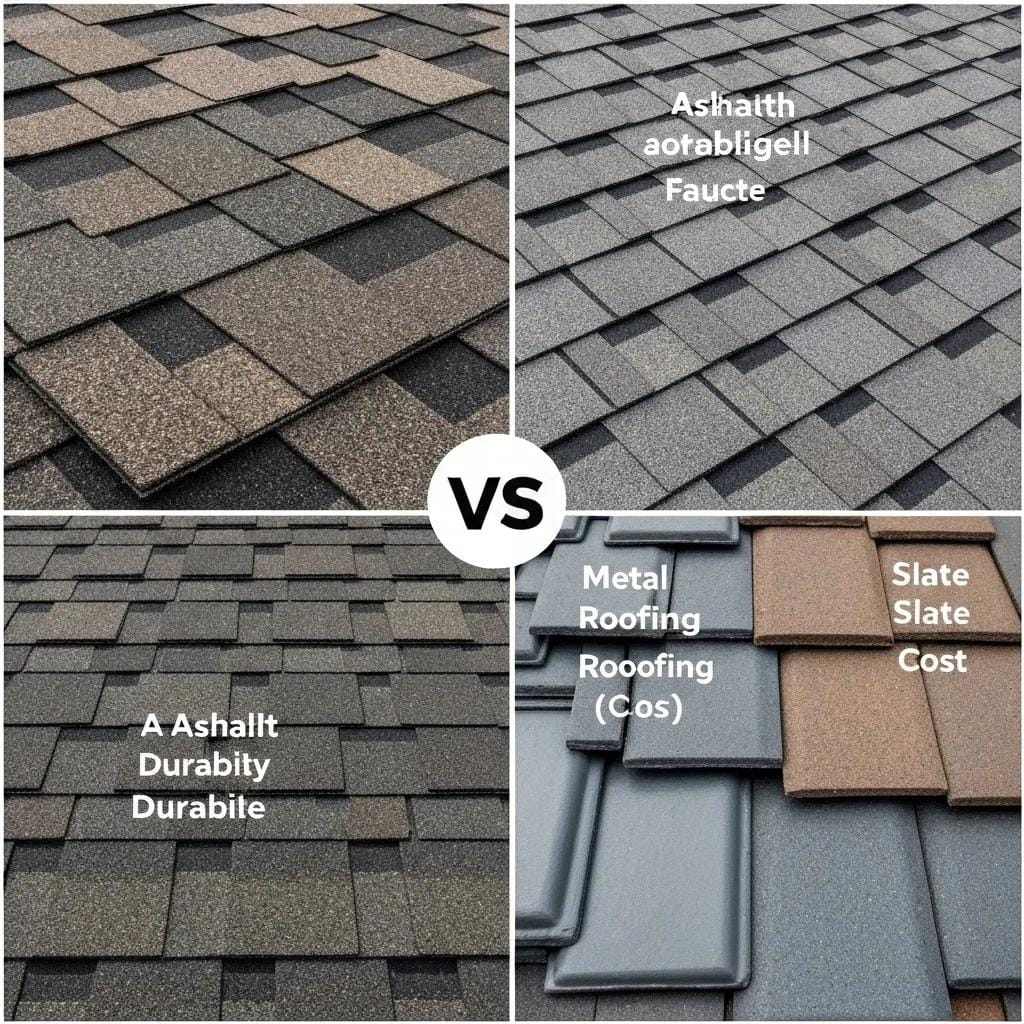
How Do Popular Roofing Materials Compare: Durability, Cost, and Energy Efficiency?
Making the right choice between materials involves a direct comparison of their key features. The table below outlines typical performance metrics for the Eastern Pennsylvania region:
Material
Lifespan
Installed Cost ($/ft²)
Energy Performance
Maintenance Level
Asphalt Shingles
15–30 years
$3.50–$5.50
Moderate, depends on color
Low–Moderate
Metal Roofing
40–70 years
$8.00–$14.00
High reflectivity, options for cool roofs
Low
Slate Roofing
75–100+ years
$15.00–$25.00
Good thermal mass properties
Low
Rubber Membrane
20–30 years
$5.00–$9.00
Moderate, benefits from insulation
Moderate
Composite Shingles
30–50 years
$6.00–$12.00
Moderate–High, reflective choices available
Low
Wood Shakes
25–35 years
$8.00–$14.00
Moderate, offers natural insulation
Moderate–High
What Are the Lifespan and Durability Differences Among Roofing Materials?
Natural slate stands out with a lifespan exceeding a century, followed closely by robust metal options engineered to resist dents and corrosion. Composite products and asphalt shingles offer moderate longevity, while wood shakes provide aesthetic appeal but require more frequent upkeep. Rubber membranes are excellent for flat surfaces but need regular checks for seam integrity.
How Do Installation and Material Costs Vary Across Roofing Types?
The complexity of installation and the rarity of materials significantly influence costs. Asphalt shingles benefit from efficient installation processes and widespread availability. Metal panels and slate demand installers with specialized training and tools, often requiring structural reinforcement. Composite and rubber systems fall into a mid-range category, offering competitive pricing alongside extended warranties.
Which Roofing Materials Offer the Best Energy Efficiency for Homes?
Reflective metal panels and cool-roof asphalt shingles help maintain cooler attic temperatures, thereby reducing the workload on air conditioning systems. Slate’s thermal mass can help moderate indoor temperatures, while well-insulated rubber membranes effectively prevent heat gain. Ensuring proper ventilation and insulation beneath any roofing material will further amplify energy savings.
What Are the Maintenance Needs for Each Roofing Material?
Routine inspections are recommended for asphalt shingles to catch any early signs of damage. Metal roofs generally require minimal cleaning and occasional checks of seam seals. Slate and composite materials benefit from biannual examinations for any cracked tiles. Rubber membranes may need periodic seam resealing, while wood shakes require treatments to protect against rot and insects.
How Do Aesthetics and Style Options Differ Between Materials?
Asphalt shingles offer a wide range of color blends and profiles, metal roofing can achieve both modern and traditional looks, and composite materials can convincingly mimic premium options at a lighter weight. Natural slate and wood shingles exude authenticity and rich texture. Each material choice contributes a distinct architectural character, ranging from contemporary to rustic.
What Are the Pros and Cons of Each Roofing Material Option?
Weighing the strengths against the limitations of each material will help you align your selection with your project priorities.
What Are the Advantages and Disadvantages of Asphalt Shingles?
Advantages:
Budget-friendly and widely accessible
Fast installation and straightforward repairs
Extensive variety in styles and colors
Limitations:
Shorter lifespan (15–30 years)
More susceptible to wind uplift and hail damage
Darker colors can absorb more heat, impacting efficiency
What Are the Benefits and Drawbacks of Metal Roofing?
Benefits:
Long lifespan (40–70 years) with minimal upkeep
Excellent resistance to impact and fire
Energy-saving reflective finishes available
Drawbacks:
Higher initial cost
Can amplify noise from rain or hail without proper insulation
Potential for surface scratches over time
What Should Homeowners Know About Slate Roofing’s Pros and Cons?
Strengths:
Exceptional longevity (75–100+ years)
Naturally resistant to fire and moisture
Distinctive, high-end aesthetic appeal
Challenges:
Significant upfront investment required
Heavy weight necessitates reinforced structural support
Requires specialized installation expertise
What Are the Strengths and Limitations of Rubber Roofing?
Strengths:
Perfectly suited for flat and low-slope applications
Seam-sealed membrane minimizes the risk of water pooling
Moderate cost with a 20–30-year warranty
Limitations:
Can be vulnerable to punctures if walked on
Limited aesthetic options for traditional pitched roofs
Requires adequate insulation to maximize energy efficiency
How Do Composite Roofing Materials Compare in Performance?
Strengths:
A durable and lightweight alternative to slate or wood shakes
Consistent color retention and resistance to fading
Often manufactured using recycled materials
Limitations:
Mid-range cost may exceed that of basic asphalt shingles
Less historical performance data compared to traditional materials
Available color options depend on the manufacturer
What Are the Maintenance Challenges and Benefits of Wood Shingles?
Benefits:
Provides natural insulation and a rustic charm
Develops a pleasing silver-gray patina as it ages
Biodegradable and environmentally friendly
Challenges:
Prone to rot, mold, and insect infestations
Requires annual treatments and inspections
Shorter lifespan without consistent care (25–35 years)
How Can You Make the Best Roofing Material Decision for Your Home?
What Questions Should You Ask When Choosing a Roofing Material?
How long do you anticipate living in your current home?
What is your allocated budget for both installation and ongoing maintenance?
Which materials best complement the architectural style of your home and neighborhood?
How do the prevailing weather patterns in your area influence material performance?
What types of warranties and maintenance services are offered with the materials?
How Does Supreme Roofing PA Support Your Roofing Material Selection?
Supreme Roofing PA provides complimentary, on-site consultations to evaluate your home’s structural requirements, budget considerations, and aesthetic preferences. Our in-depth knowledge of the Montgomery, Bucks, Delaware, and Chester county areas allows us to offer recommendations tailored to your specific needs. We manage permit applications, assist with insurance claims, and provide clear, upfront estimates to simplify your decision-making process.
When Is It Time to Repair vs. Replace Your Roof?
Visible indicators such as curling shingles, persistent leaks, or significant moss growth often suggest that a full roof replacement is necessary. Minor damage to shingles or loose flashing might be addressed with targeted repairs. Consulting with a professional inspection can identify underlying issues and ensure you choose the most effective and cost-efficient long-term solution.
How Can You Get a Free Consultation and Estimate in Eastern PA?
Reach out to Supreme Roofing PA today to arrange a no-obligation phone consultation. Our experienced team will discuss your roofing objectives, review material options, and provide a personalized estimate—without any pressure. Take the first step toward securing a durable, energy-efficient roof that enhances both your home’s performance and its visual appeal.
What Are the Most Frequently Asked Questions About Roofing Materials?
Homeowners commonly seek clarification on the top-performing materials, comparisons of durability, cost expectations, potential energy savings, and maintenance requirements. While this section offers a summary, detailed information is integrated throughout the article to assist you in making an informed decision and streamlining your research process.
How Do Emerging Roofing Trends and Technologies Affect Material Choices?
Innovations in roofing include advanced reflective coatings, eco-friendly composite materials, and smart sensors designed to boost durability and efficiency.
What Are Energy-Efficient Roofing Innovations for Pennsylvania Homes?
Cool-roof coatings and reflective granules applied to asphalt shingles help reduce solar heat absorption. Insulated metal panels incorporate rigid foam cores for superior thermal performance. These technologies effectively lower peak cooling demands and improve overall home comfort.
How Are Sustainable and Recyclable Roofing Materials Changing the Market?
Composite materials made from recycled rubber and plastic help divert waste from landfills and offer resilient alternatives to conventional shingles. Metal roofs are fully recyclable at the end of their service life, positioning them as an environmentally conscious choice that aligns with modern green building practices.
What Is the Role of Smart Roofing Technology in Modern Roofs?
Integrated leak-detection sensors placed beneath roofing materials provide immediate alerts in the event of moisture intrusion. Solar-ready panels and mounting systems simplify the installation of photovoltaic systems, allowing homeowners to combine renewable energy generation with robust roofing solutions.
How Do Customized Aesthetics Influence Roofing Material Selection?
Advancements in color-fast pigments and multi-layered shingle designs enable homeowners to personalize their home’s curb appeal with vibrant colors or highly realistic appearances of natural wood and slate. Custom fabrication of metal panels allows for unique profiles and finishes that enhance architectural expression.
Selecting the right roofing material involves a thorough understanding of material characteristics, the demands of your local climate, and your personal priorities. By carefully evaluating durability, cost, efficiency, appearance, and maintenance needs, you can choose a roof that not only protects your home but also enhances its value for many years to come. Supreme Roofing PA is here to guide you through every stage—from selecting the perfect material to expert installation and ongoing support—ensuring your next roofing investment is well-informed, efficient, and completely worry-free. Schedule your complimentary phone consultation today and discover which roofing materials are the ideal fit for your Eastern PA home’s unique requirements.
Recent Posts
November 1, 2025
Best Roofing Materials for Collegeville’s Climate: A Comprehensive Guide for Homeowners
Collegeville’s Best Roofing Materials: A Deep Dive for HomeownersCollegeville’s distinct four-season climate—from heavy snow and the const...
Key Factors to Evaluate When Comparing Quotes From Collegeville Roofing Contractors
Choosing the Right Collegeville Roofing Contractor: A Guide to Comparing QuotesNavigating a stack of roofing bids for your Collegeville home can feel ...